Week 14: The West Indies / Caribbean
- kelafoy
- Nov 14, 2022
- 8 min read
Updated: Nov 23, 2022
Introduction
“Think salsa, reggae, steel drums, bright colors, rhythm and jazz. All that and more is the very soul of the foods of the Caribbean. Caribbean cuisine is a blend of culinary influences around the globe. All of the culinary influences below merged together, creating what we call today Caribbean cuisine.” (My Hungry Traveler, 2021)
Method of Cookery:
“Pre-Columbian (Arawaks and Caribs) – The Arawaks are credited with creating the precursor to modern-day barbecuing. The Caribs introduced chili and other spices to island cooking.
Europeans – The Dutch, English, French, and Spanish conquerors, and colonists introduced some of their cooking methods and ingredients, including garlic, onion, orange, chicken, coconut, pork, and rice.
Africans – From the early 17th century to the mid-18th century, over a million Africans came as slaves, mainly to work in the sugar cane fields. With them came their cooking traditions and ingredients, including okra, pigeon peas, plantains, and taro root.
Chinese and Asian Indians – When slavery was abolished and the need for workers continued to grow, indentured Chinese and Asian Indians arrived in large numbers. Their culinary styles and foods (such as wok cooking and curry) migrated with them.
Other influences – Because of their close proximity, the cooking techniques and foods from Mexico, Central America, and northern South America easily crossed the sea to the islands. (My Hungry Traveler, 2021)
Prior Knowledge of the Dish:
Do you REALLY need me to say it? 😉 I have no clue about Caribbean cuisine. As I stated last week, I have had Jerk Chicken before, but that’s the extent of my palate’s knowledge of any type of food from that region of the world. I absolutely love fish and shellfish, so I think I would like to dive deeper…fish, ocean, diving: see what I did there? 😊…into the culinary world of The West Indies. Let’s keep on going to see what we can learn!
Learning Objectives:
1. Introduce the changing, turbulent histories of the Caribbean Island countries, their geographies, cultural influences, and climate.
2. Discuss the importance of Africa and Spain to the cooking of the Caribbean.
3. Introduce Caribbean culinary culture, its diverse regional variations, and dining etiquette.
4. Identify foods, dishes, and techniques that cross between countries.
5. Identify the foods, flavor foundations, seasoning devices, and favored cooking techniques of the Caribbean.
6. Teach favorite classic dishes of many of the Caribbean islands.
Background Information
Origin & History:
“Many of the ingredients popular in Jamaican food were originally cultivated by the island’s native inhabitants. These include, most notably, scotch bonnet pepper, sweet potatoes and cassava root.
Jamaica was initially colonized and brutally subjugated by the Spanish in the 16th century. Spanish settlers brought traditionally Jewish dishes like escoveitched fish. British colonial rule of the island in the 17th century introduced various pastries and baked goods as well as sugar production, which was eventually how Jamaica became so well known for its rum.
British Colonization brought the trans-Atlantic slave trade, and with it came West African cuisine. This includes classics like jerk sauce, which traces its roots to West African jerk pork. It’s also the source of the famous ackee fruit, which is a part of Jamaica’s national dish, Ackee and Saltfish. Another important African contribution was callaloo, which is a steamed mixture of shredded greens like spinach or Amaranth that can be personalized with a huge variety of other flavors.
At the height of the British empire in the 19th century, a large number of Hakka people from China were brought to Jamaica as laborers. Though the number of Chinese-descended Jamaicans on the island is now significantly lower due to ethnic violence in the 1970's that caused people to flee, we can still see their culinary influence in modern Jamaican favorites like Jerk Chow Mein, Cha Chi Kai, and the huge role that rice plays in Jamaican food.
Thousands of indentured workers were brought to Jamaica in the 19th century by their British colonial overlords. Indian flavors really work to tie everything together for Jamaican cuisine by introducing a love of strong and well-treated spices to the Jamaican palate. The result is a host of unique and delicious Caribbean curry dishes that use traditional Asian recipes combined with a variety of clever island flavors like, for example, coconut milk. Indian migrants are also responsible for the popularity of roti, the delicious flatbread that you’ll find wrapped around all kinds of other Jamaican goodies! Jamaican food, essentially, is a kaleidoscope of delicious flavors that met to become something new and amazing.” (JCS Kitchen, 2022)
Methods Used:
“When you think of the Caribbean there are a few dishes and ingredients that may come to mind, such as curried mango, plantain and even curried goat. However, as many of the nations within the Caribbean have their own unique characters and personalities, many varied and popular national dishes have emerged – each with a flavour of their historical past!” (Little Harbour Estates, 2017)
Dish Variations:
“Barbados: Coucou and Flying Fish
Given that this beautiful West Indies island is sometimes referred to as "The Land of the Flying Fish," you shouldn't leave town without trying this popular local seafood, found in the warm waters around Barbados and used to make the national dish, coucou and flying fish. The fish is steamed and cooked with onions, lime juice, spices, and vegetables, and served on a bed of polenta-like cornmeal; or fried and served with a spicy sauce.
Trinidad & Tobago: Crab & Callaloo
This dual-island nation near Venezuela is a hotspot for Creole cuisine, and the dish not to miss is crab & callaloo, a flavorful treat with origins in West Africa. A locally-sourced leafy green similar to spinach, callaloo is generally blended with coconut milk, spices, chilies, and sometimes additions like okra and red meat, then topped with crab.
Bahamas: Conch Fritters
While conch—a large-shelled sea mollusk related to the snail — can be found across the Caribbean, it's particularly prized in the Bahamas. Conch fritters, a popular Bahamian dish, is the ultimate way to try it. Along with shredded conch meat, these patties are made from a batter that might contain onion, bell pepper, spices, chili, or celery (like many traditional dishes, every family and restaurant seems to have its own recipe) and then deep-fried. Think a delicious crab-cake with Caribbean flare.
Antigua and Barbuda: Fungee and Pepperpot
This country in the Leeward Islands is known for its pristine beaches, verdant hilly landscapes and laidback lifestyle. The two main islands are also home to the distinctive dish known as fungee and pepperpot, a fragrant meal consisting of cornmeal cooked with okra and served with a rich stew of vegetables, spinach, spices, onion, and meat — traditionally, salted beef and pig tail.
Puerto Rico: Mofongo
Hearty, flavorful, and unlike anything else you'll try in the islands, mofongo is a mash-up of tastes and textures that's pure Puerto Rico. The dish features mashed fried green plantains flavored with garlic and pork rinds, and is traditionally created using a wooden mortar and pestle known as a pilón. Mofongo can be eaten as either a side dish or the main star, with meat, vegetables, or chicken broth. Like much of the island's cuisine, the dish has roots in Spanish, African, and Ta'no cooking traditions.
Dominican Republic: La Bandera
While Dominicans have their own, fiercely-defended, version of mofongo, the dish you can't miss—mainly because it's on pretty much every menu — is what's known as la bandera (the flag.) A hearty, colorful, working-class lunch consisting of rice, red beans, meat, and salad, the dish provides the perfect fuel for exploring this fascinating island. Be sure to order another national favorite, tostones (fried green plantains) on the side.
St Lucia: Creole Bread
What's a little carb-loading when you're vacationing on one of the world's most beautiful islands? This lush, romantic Caribbean hideaway is the place to get your hands on creole bread, a local treat served at many of the island's family-run bakeries. The soft-crust loaves are shaped like short, skinny baguettes and cooked in a wood-fired oven, which gives them a delicious, subtly smoky flavor. Head to the fishing town of Soufriere in time to snag a loaf from the early-morning baking session and eat it while it's still steaming-hot while sitting in the shadow of St. Lucia's iconic, mighty Pitons.
St Kitts & Nevis: Stewed Salt Fish with Dumplings, Spicy Plantains, and Breadfruit
If seafood makes it into your top three reasons to visit the Caribbean, you’re sure to be enamored of stewed salt fish with dumplings, spicy plantains, and breadfruit, a staple on the beautiful islands of St. Kitts and Nevis. Like many Caribbean stews, this one is hearty and filling, but the inclusion of fish, spicy plantains, breadfruit, and coconut dumplings lends the popular fare a unique, addictive flavor. With its beautiful colors, the plate is also a treat for the eyes.
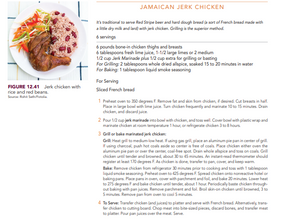
Jamaica: Jerk Chicken
Along with reggae, jerk chicken is one of this country's most famous and well-loved exports. A style of cooking native to Jamaica, jerk consists of meat dry-rubbed or wet-marinated with a spice mixture that contains the perfect balance of hot, sweet and spicy. The dish is ubiquitous across the island, served everywhere from beachside shacks to fancy resorts, and best appreciated while watching one of Jamaica's famous sunsets with a Red Stripe in hand.
Montserrat: Goat Water
Don't let the name put you off: Goat water, the favorite local dish on this mountainous isle in the Lesser Antilles chain, is a crowd-pleasing mélange of stewed goat meat spiked with spices, vegetables, onion, tomato, and sometimes green papaya and breadfruit, then served with rice or bread. Similar to an Irish stew, this hearty mainstay is a staple at family celebrations and can be found all around the island.” (Southern Living, 2020)
References
“10 Iconic Caribbean Dishes You've Got To Try At Least Once.” Southern Living Magazine. https://www.southernliving.com/food/seafood/iconic-caribbean-food. June 30, 2020.
“A Guide to Caribbean Food.” Little Harbour Estates. http://www.littleharbourestates.com/a-guide-to-caribbean-food/. February 28, 2017.
“Caribbean Islands Cuisine. My Hungry Traveler. https://myhungrytraveler.com/cuisines/caribbean-cuisine/. 2021
“Origins of Jamaican Cuisine: the Melting Pot of Flavor and Culture.” JCS Kitchen. https://www.jcskitchen.com/origins-of-jamaican-cuisine-the-melting-pot-of-flavor-and-culture. 2022.
Dish Production Components
Recipes:




Plan of Work:

Sources:


Reflection & Summary of Results
What Happened(?):
I think all the dishes turned out amazingly well, as usual. 😊 I was unable to get a photo of everyone else’s finished product because my partner and I hit a few snags, but everything came together beautifully.


Evaluation:
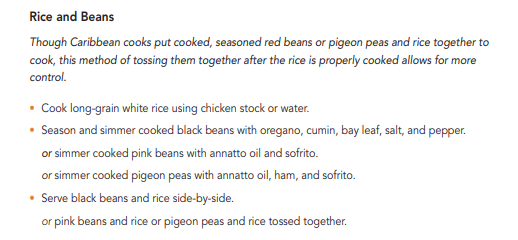
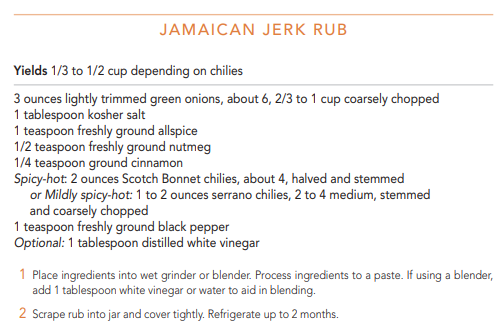
Will and I made the Jerk Rub, the Jamaican Jerk Chicken, and Pink Beans & Rice. The rub developed well. We let it sit for 30 minutes or more to give the flavors time to marry before putting it on the chicken. Our chicken was cooking extremely slowly. For some reason, the oven we were using would not reach the correct temperature. Even when turning the temperature dial all the way to 500 degrees, the oven temp never reached 300.


We ran over time getting our chicken plated. While everyone else was setting the table, we ran 2 labs over and used the convection oven. Our chicken reached an internal temp of 165 degrees within 5 to 10 minutes. That oven is AWESOME!!!


Our beans softened like they were supposed to, thanks to Chef Ana. She was kind enough to soak them overnight for us. Without us knowing it, the flame under our rice pot went out. Apparently, the cooling drawer closest to the stove we were using has a fan which blows directly at the front right eye of the stove. We combined our seasoned beans and rice, and didn’t realize until we had already set it on the table that the rice was under cooked. Usually we taste everything as we go, but I couldn’t eat anything we made. The beef stock we used in the rice was made with onions. We transferred our rice and beans to a hotel pan and placed it in the steamer for about 5 minutes. The result was cooked, fluffy rice…SUCCESS! 😊 We re-plated it and rushed it out to the table for everyone to enjoy.

Conclusions:
Always taste your dish before plating. Had we done so sooner, our rice and bean dish would not have made it to the table without being fully cooked. I don’t know about you, but I don’t really care for crunchy rice. 😉 Thank goodness we always check our meat temps first. However, you could look at the color of the chicken and tell something was off.
It’s a little sad that this was our final lab together. We will get one more chance to all work in the same building for our final meal experience, the week after Thanksgiving. After that we each go our separate ways, starting internships and building careers. It’s been such a fun ride with this crew and I wouldn’t trade it for anything in the world. From our kitchen to yours…thank you for following us on this amazing journey around the world.


Comments