Week 13: Africa & Latin America
- kelafoy
- Nov 7, 2022
- 10 min read
Updated: Nov 13, 2022
Introduction
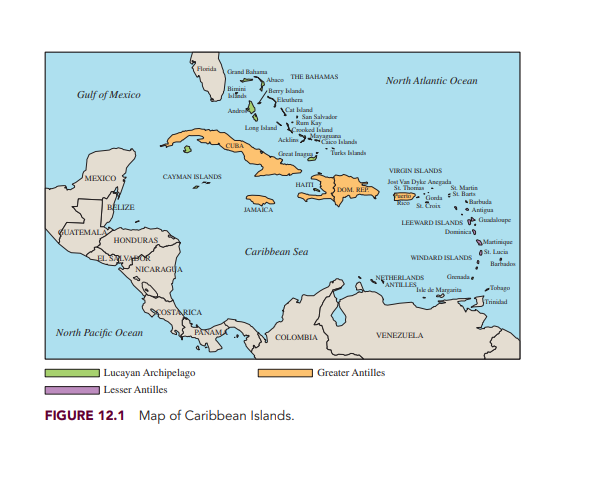
“Caribbean food is known for its distinct flavors, spices and ingredients. Caribbean food is unique by island and influenced by Europe and Asia. The Africa and African diaspora influence is prevalent as African traditions have been passed down to the over 40 million descendants that live in the Caribbean. Most Caribbean locals eat a diet today that includes many of the same ingredients of the original dishes created by their African ancestors.” (Diaspora, 2022)
Method of Cookery:
Morocco: “There are four primary cooking styles in Moroccan cuisine. The codification for each determines not only the spices used, but the final color of the dish and its accompanying sauce. I believe this codification is why traditional Moroccan recipes have remained consistent over the centuries. Professional Moroccan cooks called tebbakhates help preserve the culinary traditions by sharing the recipes orally and by following the codification religiously to dish up memorable meals.
Before anyone in my family shares a recipe, they start by placing it in a category. As example, to cook meat with artichokes, you first learn that it can be cooked qadra style or m’qualli style. This way, you already have a path to follow. Sometimes the path or style will be the only guideline given to reproduce the dish, there will be no measurements and no detailed instructions.” (Kiffa, 2020)
Ethiopia: “The profile of Ethiopian food is very distinct. It marries together earthy, spicy, tart, sour, and pungent flavors. A base seasoning, used in a wide variety of savory and spiced Ethiopian dishes, is a blend of spices known as Berbere. Most Berbere seasoning is made with chile peppers, fenugreek, cinnamon, ginger, cardamom, and coriander. A cuisine encompassing the flavors of the old East African spice trade, Ethiopian food is deliciously unique, fragrant, and mostly spicy. Its depth of flavors has made it very popular internationally.” (Rumi, 2022)
Senegal: “Throughout the country, meals tend to be single-dish affairs, with everyone grazing from one bowl or platter, using spoons or bare hands to scoop up meat and vegetables — always supplemented with rice or couscous. Sosa kaani, an incendiary sauce made from Scotch bonnet peppers, is on every table at every meal.” (Together Women Rise, 2022)
The Caribbean Islands: “Caribbean cooking introduces all visitors to some truly distinctive flavors through the addition of spices and other ingredients like mangoes, coconut, lime, cassava, papaya, yam, guava, and peppers. Surprisingly, the use of limes in Caribbean cooking among the natives is not all that different from the way it is used in the United States. Lime is one of the most popular ways of marinating fish and a popular dish is Ceviche, which is seafood cooked with the aid of citric juices and seasoned with herbs and onions. Caribbean cooking is not merely delicious it is also unique from one island to another.” (Penn, 2022)
Prior Knowledge of the Dish: You guessed it…NADA! 😊 I’ve had jerk chicken before, but it’s only been the Americanized version, and usually it’s in the form of a chicken wing. 😉
I had a brief learning experience with African cuisine when working as an assistant for the International Cultural Cuisine event at Auburn University. At that time I learned that okra originated in Africa, and that many of our traditional Southern dishes in the United States have African origins. I think we’ve all had some version of Latin food at some point in our lives, but I’m excited to dive deeper into the Caribbean aspect of the cuisine.
Learning Objectives:
Africa
1. Introduce the changing, turbulent histories of Morocco, Ethiopia, and Senegal, their geographies, cultural influences, and climate.
2. Discuss the importance of tagine, couscous, w’et, injera, thiebou jen, maafe, and fufu.
3. Introduce North, East, and West African culinary cultures, their diverse influences, and regional variations and dining etiquette.
4. Identify foods, dishes, and techniques that cross between countries.
5. Identify the foods, flavor foundations, seasoning devices, and favored cooking techniques of Morocco, Ethiopia, and Senegal.
6. Teach techniques and recipes for beloved, long-lived African dishes.
Latin America & Mexico
1. Introduce the changing, turbulent histories of the Caribbean Island countries, their geographies, cultural influences, and climate.
2. Discuss the importance of Africa and Spain to the cooking of the Caribbean.
3. Introduce Caribbean culinary culture, its diverse regional variations, and dining etiquette.
4. Identify foods, dishes, and techniques that cross between countries.
5. Identify the foods, flavor foundations, seasoning devices, and favored cooking techniques of the Caribbean.
6. Teach favorite classic dishes of many of the Caribbean islands.
Background Information
Origin & History:
“The cooking of the old Moroccan imperial cities follows a codification which defines the guidelines for preparing everyday dishes and some cooked salads. Traditional recipes calling for a broth or sauce are usually divided into one of several distinct Moroccan cooking styles. The codification for each cooking style helped keep traditional recipes consistent throughout time and eased the process of transmission from one generation to another.” (Kiffa, 2020)
“The region around modern-day Ethiopia was exposed to various exotic spices from India, chile peppers from Portugal, and ginger from East Asian countries as far back as the 1400s. Indigenous to Ethiopia, grains such as sorghum, millet, teff, and wheat grow well in the temperate climate and are used in many Ethiopian dishes. Ethiopian cuisine today is a blend of introduced spices and food items coupled with indigenous grains and proteins.” (Rumi, 2022)
“The cuisine of Senegal has been influenced by nations like France, Portugal and those of North Africa, and also by many ethnic groups, the largest being the Wolof; Islam, which first penetrated the region in the 11th century; and various European cultures, especially the French, who held the country as a colony until 1960. In fact, French is the official language, followed by Wolof, the main indigenous language.” (Together Women Rise, 2022)

Methods Used:
“Like most other cuisines, Moroccan cooking uses common culinary methods such as stewing meats and vegetables in thick broths or sauces (marqa or marka), boiling (maslouq), steaming (m’bakh·khar), grilling (mechoui), baking (fel ferran), roasting (m’hammar), and cooking between two fires (binnarine).
Sauces in Moroccan cooking are usually the result of a slow-cooking method, such as simmering in a tagine or stewing in a conventional pot. Depending on the recipe and the cooking vessel, the sauce can vary in texture. In most cases, however, it is a thick, reduced sauce which is most highly sought.
Marqa is from the Arabic word maraq (مَرَق ), which translates to broth. The broth is where the main ingredients will cook at a boil or simmer, and at the end of cooking the broth will be reduced to a thick or syrupy texture.” (Kiffa, 2020)
“The country now known as Ethiopia grew from the ancient kingdom of Aksum. Unfortunately, Aksumites left behind no cookbooks, although their culture had an alphabet and a writing system still used today by modern Ethiopians. Archaeologists have reconstructed what Aksumites ate, and clearly, the roots of "modern" Ethiopian cuisine — say, from 1100 A.D. and after — began in Aksum. This is a long story made very, very short.
Sit down to a platter of Ethiopian food and, at a glance, you may wonder what you're about to eat. But don't worry: Everything in front of you is food you've eaten in the context of another cuisine. Well, almost everything. That one unique element is injera, a spongy fermented flatbread that serves as both the dinner plate and the cutlery. It's made in Ethiopia from teff, a high-nutrition, gluten-free grain native to East Africa. Diaspora cooks usually mix teff with wheat and barley flour.” (Kloman, 2022)
“Because Senegal borders the Atlantic Ocean, fish is very important. Chicken, lamb, peas, eggs and beef are also used in Senegalese cooking, but not pork, due to the nation’s largely Muslim population. In the semi-arid interior, peanuts and millet are the primary crop, as well as couscous, white rice, sweet potatoes, lentils, black-eyed peas and various vegetables. Meats and vegetables are typically stewed or marinated in herbs and spices and then poured over rice or couscous, or simply eaten with bread.” (Together Women Rise, 2022)
“All Caribbean cooking involves herbs and spices of various types for seasoning. One such ingredient is tamarind that is in many ways similar to Worcestershire sauce in taste because it too has tamarind as one of the major ingredients. In fact, the use of spices in Caribbean cooking is truly diverse and amazing. Nutmeg flavors the desserts in the United States but in the Caribbean, this spice is mixed with other spices that are natively grown on the islands and this makes for a totally different flavor in Caribbean cooking. The jerk cooking of Jamaica gets its flavor from allspice while the island of Cayman has a chocolate cake recipe that includes some spicy peppers.
There are many common forms of spices used in Caribbean cooking but the trick is that though you will recognize flavors as a familiar taste the cooking will be subtle enough to feel unique to your taste buds. Caribbean cooking is full of delectable sauces that are made of sweet fruits like mango, papaya, and orange with spicy hot peppers. Dipping sauces in Caribbean cooking are made from mango, chili peppers, and melon. In Caribbean cooking, coconut milk is the basis of several stews and sauces.
Last, and by no means the last, is the most favorite ingredient of Caribbean cooking that is used in marinades, desserts, sauces, and soups - rum.” (Penn, 2022)
Dish Variations:
“The various Moroccan cooking styles can be defined by their color, which results from the spices and the cooking method. Initially you may think different style dishes look similar, but after seeing more examples and becoming more familiar with Moroccan cuisine, the differences will become more apparent.
Yellow and red are two colors associated with the primary Moroccan cooking styles. M’qualli and qadra have yellow sauces while m’hammar and mchermel style dishes have red. The colors are a result of the primary spices and fats used in each cooking style.” (Kiffa)
“Ethopian dishes are also often paired with a sour fermented teff flour bread called Injera. Injera is rolled into a large flatbread and the food is served on top of it. When eating a dish involving injera, no utensils are involved. Simply tear off a piece of injera, scoop up a bite size amount of food, and then enjoy the flavors.” (Rumi, 2022)
“There are three main dishes that are widely known and beloved in Senegal. Thiéboudienne has been dubbed the country’s national dish. It is a fish-and-rice specialty that originated in the former French colonial capital of Saint-Louis. It does require some elaborate preparation so is not everyday fare. Another very popular meal is Yassa, which can be either chicken or fish that is first marinated overnight with lemon and onions, simmered and served over rice. And finally Mafe is a stew typically made with beef or lamb in a tomato and peanut sauce.
Desserts are very rich and sweet, combining native ingredients with the extravagance and style characteristic of the French impact on Senegal’s culinary methods. They are often served with fresh fruit and are traditionally followed by coffee or tea.” (Together Women Rise, 2022)
“Each island has developed its own style and technique of cooking food and the food in the Caribbean is as varied as the experience from island to the next.
The Bahamas is known for the conch recipes. Cuba is famous for black beans and rice. Jamaica is the home of jerk cooking and seasoning. Barbados means fried fish and cou cou. Puerto Rico comes closer to home with chicken and rice. The French Caribbean is known for its cerole dishes and many similar French cooking methods. Trinidad is the land of curries.” (Penn, 2022)
References
“Cooking in the Caribbean.” James Penn. https://www.streetdirectory.com/food_editorials/cooking/cooking_tips/cooking_in_the_caribbean.html. 2022.
“Cooking Styles and Sauces in Moroccan Cuisine.” Nada Kiffa. https://tasteofmaroc.com/cooking-styles-sauces-moroccan-cuisine/. July 02, 2020.
“Customs and Cuisine of Senegal.” https://togetherwomenrise.org/customsandcuisine/customs-and-cuisine-of-senegal/. 2022.
“GLOBAL IMPACT OF AFRICAN INFLUENCE IN OUR FAVORITE CUISINES.” Diaspora. https://thediasporacollective.com/blogs/celebrate/how-africa-and-the-african-diaspora-impacted-food-around-the-world#:~:text=About%205%20million%20African%20slaves,some%20of%20our%20Caribbean%20favorites. 2022.
“Get to Know Comforting Ethiopian Cuisine.” Harry Kloman. https://www.allrecipes.com/article/introduction-to-ethiopian-cuisine/. January 28, 2022.
“Your Guide to the History & Taste of Ethiopian Food.” Rumi. https://www.rumispice.com/blogs/rumi-red-saffron/spice-101-ethiopian-berbere-your-guide-ethiopian-cuisine. 2022.
Dish Production Components
Recipes:


Plan of Work:

Sources:


Reflection & Summary of Results
What Happened(?): OMG I can’t begin to tell you how yummy my meal was after lab this week! Of course, I couldn’t try everything due to my onion allergy…but I built myself some tacos using the fresh made tortillas, fried Snapper, Roff, and Couscous. It was divine! I had some Ethiopian Lentil Salad on the side and the whole plate tasted like perfection.

My classmates did such a great job with the chicken, the fish, the salsa, etc. Everyone’s plate looked different, but it was all personalized by our own unique tastes. Check out the spread from this week.





Evaluation: I was in a 3 person group this week, so we took on 4 different recipes. AP made the couscous, Celine made the fritters, and I made the Roff and the lentil salad.

The black-eyed peas didn’t soak overnight like the recipe stated. For this reason we chose to do a quick boil to soften them and help the skins come off. I think they held too much moisture, because no matter what we tried the fritters wouldn’t hold up. The texture of the “batter” was rather soupy. We attempted to add flour, but it didn’t remedy the issue. Out of a recipe that makes roughly 85 to 90 small fritters, we managed to plate 5 to serve. It didn’t go well, to say the least. ☹


The couscous had an amazing golden color with a light…almost fluffy…texture. Adding green jalapeno peppers and tomatoes gave it a beautiful pop of color.



The Roff came together easily. The hardest part of making it is how slowly you add the oil. After many semesters of practice making aioli, I’m kind of a pro at that step. 😉


The lentils were super easy as well, and I personally LOVE lentils. Most people either overcook or undercook lentils. The trick is to not let your boiling water roll too hard and immediately remove the lentils from the heat once they are finished cooking. The vinegar from the Dijon, the citric acid from the lemon and tomato, and the spice from the basil made for a well balanced dish. I added a little cayenne for heat, but all-in-all it was well composed.



Conclusions: Soaking the black-eyed peas and then allowing them more drying / cooling time would have helped the stability of our fritters. Coating the outside with a little cornmeal would have also added a little more texture and given the softer center a better foundation. We only cooked about 4 fritters in each pan at any given time, but maybe we should have tried fewer. “Too many at once will crowd and cool the pan. The patties will soak up the oil and the fritters will be greasy and less crisp.” (Moore, 2020)
All combined, I think our group presented well. Any week where we mess up is just another opportunity to learn from and correct our mistakes. Next week is our last week of lab, and for many of us…our last week ever learning in the culinary lab. MAN, what an amazing adventure it’s been getting to learn at Auburn University. Check back in with us for the final installment of Global Gastronomy. We’re visiting the West Indies. 😊
References
“Black-Eyed Pea Fritters.” Marisa Moore. https://marisamoore.com/black-eyed-pea-fritters/. January 31, 2020.


Comments