Week 10: Greece & Turkey
- kelafoy
- Oct 17, 2022
- 7 min read
Updated: Oct 25, 2022
Introduction
Week 10 concentrates on the regions / countries of Greece and Turkey. I had the opportunity to travel through Greece in June 2021. One of the things I learned about while I was visiting was the struggle Greece had gaining their independence from Turkey. For this reason, some Greeks still prefer not to be associated with the Turkish empire. When it comes to the food though, the similarities are numerous. Read on to gain a little insight into this Mediterranean culinary world.
Method of Cookery:
“One way in which Greek cuisine has diverged from Ottoman cuisine is the influence of chef Nikolaos Tselementes, who admired French cooking, and who, in the 1920s, invented the modern Greek form of moussaka (based on the Middle Eastern musaqqa‘a) and pastitsio (based on the Italian pasticcio), which are quite different from the originals.
Some specific differences:
· Greeks and Turks both use yogurt heavily, but Turks seem to cook with it more, and make it part of composed dishes.
· Greeks use more olive oil than Turks.
· Turks drink much more tea and less coffee than Greeks. This is partly because tea is produced in Turkey (in the northeast), and partly, I suspect, a matter of conserving foreign currency.
· Turks like garnishing many dishes with long hot peppers. This is not as common in Greece.
· On restaurant tables, you generally find salt and black pepper in Greece, and often salt and red pepper (chili pepper) in Turkey. This may also be a foreign currency issue, since peppers grow well locally.
· Greek cuisine uses more pasta, and less bulgur.
· Greek cuisine also has dishes in common with Italian cuisine, such as lemon chicken (kotopoulo lemonato), pastitsio, and pastitsada (the Italian pasticciata).
In both countries, sadly, a lot of traditional cooking is disappearing, though that process seems further along in Greece, partly because of tourism, where everyone wants moussaka and souvlaki wherever they are. Modern agriculture has made chicken much cheaper than it used to be, so a lot more chicken is served. Modern food processing has also created cheap vegetable oils and shortening, which replace traditional fats. The Mediterranean Diet fashion has made olive oil more popular, even in places where it was not traditional. People are getting richer, so they eat much more meat than they used to. Few Greeks now fast for Lent (and other church fasts!), so vegetarian foods are less well known. Exotic dishes from outside the region have become popular, so you can get cheeseburgers in Rize (Black Sea) and sushi in Hania (Crete).” (Macrakis, 2021)
Prior Knowledge of the Dish:
I’m not very familiar with the dishes we are creating this week. I saw a lot of Moussaka when traveling through Greece, but that’s mainly because it has become such a touristy thing to order. Souvlaki was also an extremely popular tourist dish. They shave meat off a spit for the gyros, which is cool to see. When I was there the primary difference I noticed between their cooking and ours is how fresh everything is compared to the processed foods we consume. They eat a ton of fresh fish and vegetables being in a Mediterranean climate. I visited a farm where they make their own cheese, when I was on the island of Mykonos. I tried the most delicious seabass I’ve ever tasted in Santorini, and the only added flavor was lemon, salt, and olive oil. In my opinion, Greek olive oil is the absolute best. 😊 The hummus there is made from fava beans rather than chickpeas, like we are accustomed to. I have little to no experience with Turkish cuisine other than the influence it may have had on Greek food.
Learning Objectives:
1. Introduce the intertwined and turbulent histories of Greece and Turkey, their geographies, cultural influences, and climate.
2. Discuss the importance of the Silk Road, the expulsion of Christian Greeks from Asia Minor, and the Ottoman Empire on both Greek and Turkish cuisines.
3. Introduce Greek and Turkish culinary cultures, their diverse regional variations, and dining etiquette.
4. Identify foods, dishes, and techniques that cross between countries.
5. Identify the foods, flavor foundations, seasoning devices, and favored cooking techniques of both Greece and Turkey.
6. Teach the techniques and recipes for the luscious, long-lived dishes of Greece and Turkey.
Background Information
Origin & History:
“To better understand their cooking, let’s take a look at their history. One of the first residents of Greece, (2700 BC), the Minoans, domesticated grains, made the first wines from wild grapes and pressed the first olive oil, which soon became foundational to the Greek economy.
After that, the ancient Greeks arrived from the Ural Mountain area, bringing with them cattle and bees for making honey. This people invented bread, developed the wine-making process, cultivated orchards of fruit and nut trees, ancient olive groves, figs, pistachios, and gathered greens.
Turkey, on the other hand, by its mere location, was influenced by Asia and the Middle East, as well as Europe, and of course Greece. It is one of the few self-sustaining countries in the world, thanks to its size and diversity. Much of its culinary heritage can be traced back to the period of the Ottoman Empire, but it also comes from many of its neighbors: wine from Greece, sugar, rice and sweets from Persia, skewered meats (shis-kebabs) and flat breads show nomadic influence.
The Ottomans, among other things, served to bring variety, freshness, color, and refinement to Turkish cuisine, which has been exported throughout the world.” (BodrumNYC, 2022)
Methods Used:
“Greek foods are prepared using basic cooking methods: They're typically fried, breaded, sautéed, simmered, boiled, braised, stewed, baked, roasted, grilled, poached, pickled, puréed or preserved. Greek food generally does not include smoking in home cooking.” (Gaifyllia, 2021)
“There is no special method in particular for cooking the Turkish dishes; just follow the recipe. An interesting aspect is that in most Turkish meat dishes, small quantities of meat are cooked together with vegetables and sometimes even fruits or nuts.” (Fandom, 2022)
Dish Variations:
“Some dishes are virtually the same within the two countries, while others radically differ. Both the Greeks and Turks have a delicious chicken soup they make, both with a bit of lemon, but the Turks add a bit of yoghurt (a Turkish invention) to theirs and use only egg yolks, while the Greeks use whole eggs. The herbs, spices and vegetables are slightly different as well.
Both the Greeks and the Turks make tasty salads from a variety of raw fresh vegetables; the Greeks may add Feta cheese, while the Turks may spice it up with peppers.
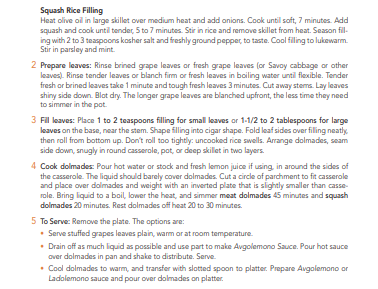
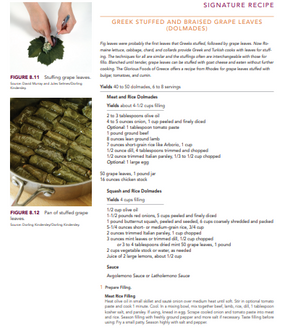
Both the Greeks and the Turks prepare stuffed vine leaves. The Turks have a traditional recipe invented for the Ottoman sultan that uses cherries, dried currants, cinnamon, parsley, dill, and allspice along with long grain rice, lemon juice and olive oil. A typical Greek such preparation (called dolmades) would be made of risotto rice, fennel, mint, onions, lemon juice and olive oil.
And of course, baklava is a heralded treat of both nations. The Greeks refined the pastry, perhaps first developed by the Assyrians, into its famous thin leaf appearance (phyllo means leaf in Greek) and concocted the pastry with honey and walnuts. It was the Ottoman empire that added the pistachios and other spices like, cinnamon, cardamom, cloves.” (BodrumNYC, 2022)
References
“How Are Greek Foods Cooked?” Nancy Gaifyllia. https://www.thespruceeats.com/how-are-greek-foods-cooked-1705656. July 23, 2021.
“Taste the Mediterranean: What Greek and Turkish Cuisine Share.” BodrumNYC. https://www.bodrumnyc.com/blog/greek-turkish-cuisine-share. 2022.
“Turkish Cuisine.” Fandom. https://recipes.fandom.com/wiki/Turkish_Cuisine. 2022.
“What are the major differences between Greek food and Turkish food?” Stavros Macrakis. https://www.quora.com/What-are-the-major-differences-between-Greek-food-and-Turkish-food. 2022.
Dish Production Components
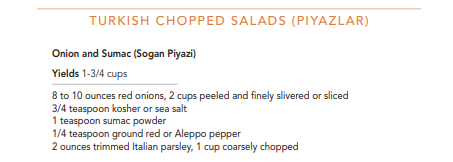
Recipes:










Plan of Work:

Sources:


Reflection & Summary of Results
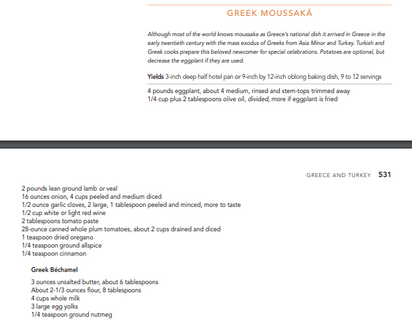
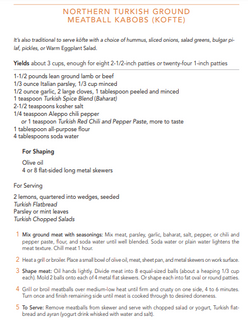
What Happened(?): Going into class, I really had my heart set on making the Dolmades. However, another classmate is making the same dish for our final exam and wanted to practice. I acquiesced… fun word right. 😉 My lab partner and I decided on making the Moussaka, and the rest of our classmates created the remaining recipes; Turkish meatballs, egg-lemon sauce, etc. As usual, everyone did a great job. The class as a whole seemed to manage time better this week.





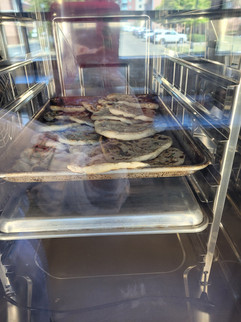


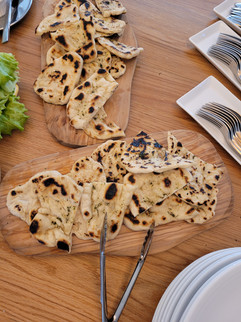


Evaluation: With me having an onion allergy, AP agreed to leave that particular ingredient out of our recipe. I deep fried our eggplant while AP gathered everything we needed to compose the meat sauce for the dish. We chose to use the fryer rather than skillet for not only convenience of use, but the ability to cook it all at one time. The flavor and color of the eggplant was spot on. It was crispy on the edges yet soft in the middle. It wasn’t soggy or mushy though. The center of the fried eggplant still had some texture to it.





AP built the meat sauce and we let it simmer for a while. Upon tasting the sauce, it seemed a little bland. I’m sure the lack of onion contributed to that. I found some dried Aleppo pepper flakes and added some to the meat sauce, along with some salt. I think it added a nice little boost to the palate.






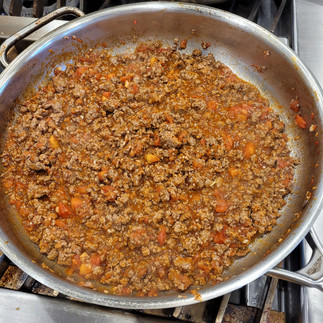
I tried a small bite of the sauce with one of the friend pieces of eggplant. The result was a full mouth flavor. You get the crispy fried aspect upon first contact then the boldness of the meat sauce. Both experiences are followed by the natural sweetness of the fried eggplant which is only brought to life by the sauce. It otherwise tastes very bland or bitter. “When mixed with any oil or liquid, it absorbs the flavors, thus becoming super tasty.” (Insanely Good Recipes, 2022)

Conclusions: I started the Bechamel with a beautiful blonde roux. However, I scalded the bottom of the Bechamel slightly. I didn’t scrape the bottom, so the taste didn’t transfer to the sauce. It was only around the bottom rim, in the crease of the pot. Thank goodness, because a burnt Bechamel… in my opinion… is like eating burnt popcorn. It’s bitter and unsavory. Despite the setback, the texture was silky. It topped the layers of meat sauce and fried zucchini marvelously, and developed a beautiful crust after baking for an hour.






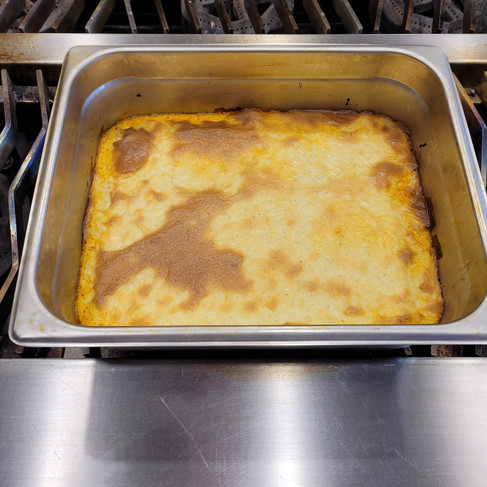
We had to serve our Moussaka in the same dish it was cooked in. Our options for the size dish we needed were extremely limited. I will say though…what it lacked in presentation, it more than made up for in flavor. 😊

I made a small plate for Chef Antony in 1856. It's pretty cool that he likes to taste our dishes and gives us advice on where to go from there. It's so amazing that we get to learn from world renowned leaders in our industry. I also made a plate for myself of course.😊

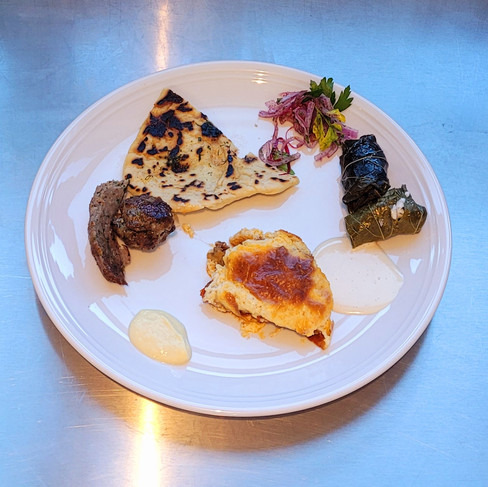

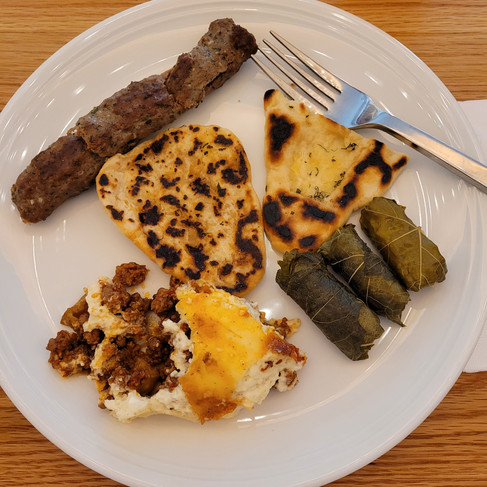
Next week we make the trek to Lebanon. As the weeks go by, I continue to get further out of my element. It’s such a cool learning experience. Make sure you check back in! 😊
References
“What Does Eggplant Taste Like?” Kim. https://insanelygoodrecipes.com/what-does-eggplant-taste-like/. June 09, 2022.


Comments