Week 6: Fun with Fermentation
- kelafoy
- Oct 19, 2021
- 6 min read
Introduction
Week 6 is all about fermentation…no not the alcoholic kind. 😊 We are learning about the process of fermentation that occurs in nature, and how it benefits the culinary world. Our focus for this lab will be on Ginger Beer, Kimchi, Pickles / Pickled Vegetables, Sauerkraut, and Crème Fraiche.
Method of Cookery: “A “starter culture” containing the preferred bacteria is introduced to the foods to be fermented. This can be done by adding a small sampling from a previous batch of converted foods, or with a commercially distributed mixture. Some foods need the proper conditions to attract the desirable, or to discourage the bad, microbes.” (Walker, 2012)
Prior Knowledge of the Dish: I know very little about fermentation. In my Beverage Appreciation class, I learned how to create wine and champagne using the fermentation process. I have also heard my mother discuss how she makes yogurt in her Instant Pot using fermentation. Other than that, I am quite ignorant on the subject. My Omi made bread and butter pickles a lot when I was a kid, and she used to can all types of foods from her garden for preservation. I remember watching my mom make homemade pickles once as a child. She stood over the stove sealing the lids for what felt like hours. I must say, those were the best pickles I’ve ever tasted, and they got better the longer they stayed sealed. I wish I had a jar of them now, but that was probably 30 years ago…. yikes I’m getting old. 😉
Learning Objectives:
· What is fermentation?
· Why is fermentation important?
· Create the following fermented products:
o Ginger bug/ginger beer—fermented root beverage
o Sauerkraut—pickled vegetable
o Sour pickles—pickled vegetable
o Yogurt—fermented milk
o Labneh—yogurt cheese
o Creme fraiche and butter—fermented milk
Background Information
Origin & History: “Even before fermented alcoholic beverages were developed, humans were fermenting a type of food with notoriously poor holding qualities – dairy. Particularly, the milk of camels, goats, sheep, and cattle was naturally fermented as far back as 10,000 BCE. It’s likely that the fermentation occurred spontaneously, rather than intentionally, due to naturally existing microflora present in the milk.” (Clime, 2021)
“The deliberate fermentation of foods by man predates written history and is possibly the oldest method of preserving perishable foods. Evidence suggests that fermented foods were consumed 7,000 years ago in Babylon. Scientist speculate that our ancestors possibly discovered fermentation by accident and continued to use the process out of preference or necessity. Preserving by fermentation not only made foods available for future use, but more digestible and flavorful. The nutritional value produced by fermenting is another benefit of fermenting.” (Walker, 2012)
Methods Used: “Materials cured in a brine solution (salt, water, sometimes spices and sugar) are naturally fermented, or pickled. Although desirable anaerobic bacteria convert carbohydrates to acetic acid that “pickle” and preserves the food, the brine protects the vegetables from aerobic organisms. Pickling vegetables created with vinegar (fresh-pack, or quick-process method) are not naturally fermented. The acid of the vinegar preserves the food and imparts the flavors of the herbs, and spices used. Vinegar does not ferment foods but is a product of fermentation. Bread is raised by the process of fermentation. Yeast eats the sugar, creates carbon-dioxide gas doubling the amount of food, and produces alcohol that is burned off in baking. Essene bread is made with fermented (sprouted) grain to improve nutrition and digestibility, and dried in a warm, low temperature environment.” (Walker, 2012)
Dish Variations:
“Kefir is a fermented milk product (made from cow, goat or sheep’s milk) that tastes like a drinkable yogurt. Kefir benefits include providing high levels of vitamin B12, calcium, magnesium, vitamin K2, biotin, folate, enzymes and probiotics.
Kombucha is a fermented drink made of black tea and sugar (from various sources like cane sugar, fruit or honey). It contains a colony of bacteria and yeast that is responsible for initiating the fermentation process once combined with sugar.
Sauerkraut is one of the oldest traditional foods, with very long roots in German, Russian and Chinese cuisine, dating back 2,000 years or more. Sauerkraut means “sour cabbage” in German, although the Germans weren’t actually the first to make sauerkraut. (It’s believed the Chinese were.)
Fermented pickles contain a ton vitamins and minerals, plus antioxidants and gut-friendly probiotic bacteria. Are store-bought pickles fermented? Not usually. Most store-bought pickles are made with vinegar and cucumbers, and although this makes the pickles taste sour, this doesn’t lead to natural fermentation. Fermented pickles should be made with cucumbers and brine (salt + water).
Miso is created by fermenting soybeans, barley or brown rice with koji, a type of fungus. It’s a traditional Japanese ingredient in recipes including miso soup.
Another beneficial fermented food made with soybeans is tempeh, a product that is created by combining soybeans with a tempeh starter (which is a mix of live mold). When it sits for a day or two, this results it in becoming a dense, cake-like product that contains both probiotics and a hefty dose of protein too.
Kimchi is a traditional fermented Korean dish that is made from vegetables, including cabbage, plus spices like ginger, garlic, pepper and other seasoning. It’s often added to Korean recipes like rice bowls, ramen or bibimbap. It’s considered a Korean delicacy that dates back to the seventh century.” (Levy, 2021)
References
“15 Fermented Foods for a Healthy Gut and Overall Health.” Jillian Levy. https://draxe.com/nutrition/fermented-foods/. 21 September 2021.
“BEYOND SAUERKRAUT: A BRIEF HISTORY OF FERMENTED FOODS.” Kelly Clime. Living History Farms. https://www.lhf.org/2014/03/beyond-sauerkraut-a-brief-history-of-fermented-foods/. 2021.
“How Fermentation Techniques Preserve Food.” Bev Walker. https://davesgarden.com/guides/articles/view/1641. 09 September 2012.
Dish Production Components
Recipes:

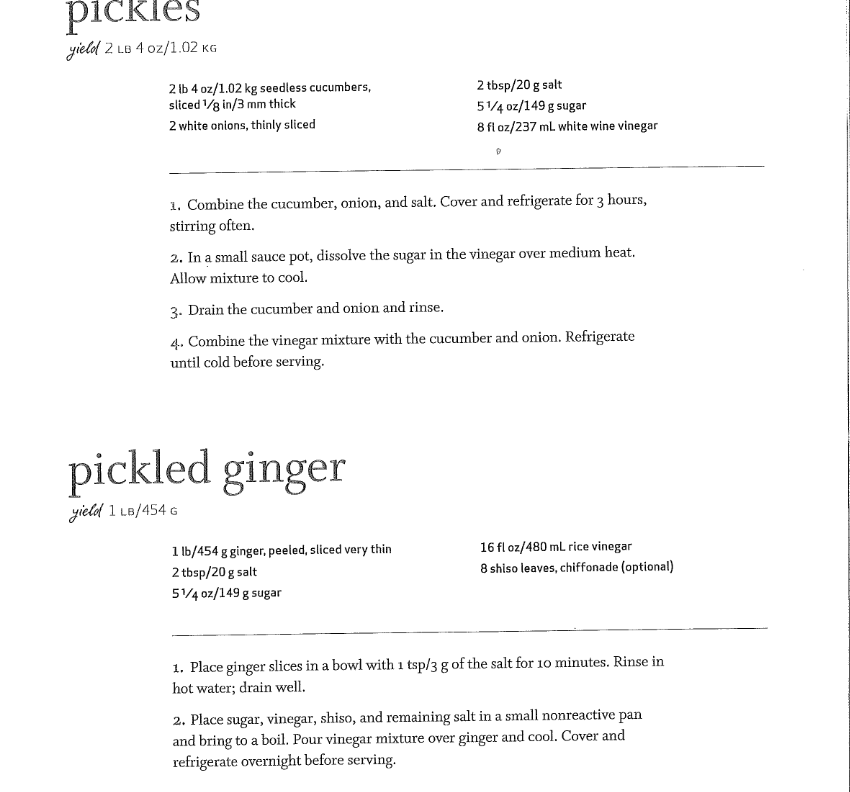

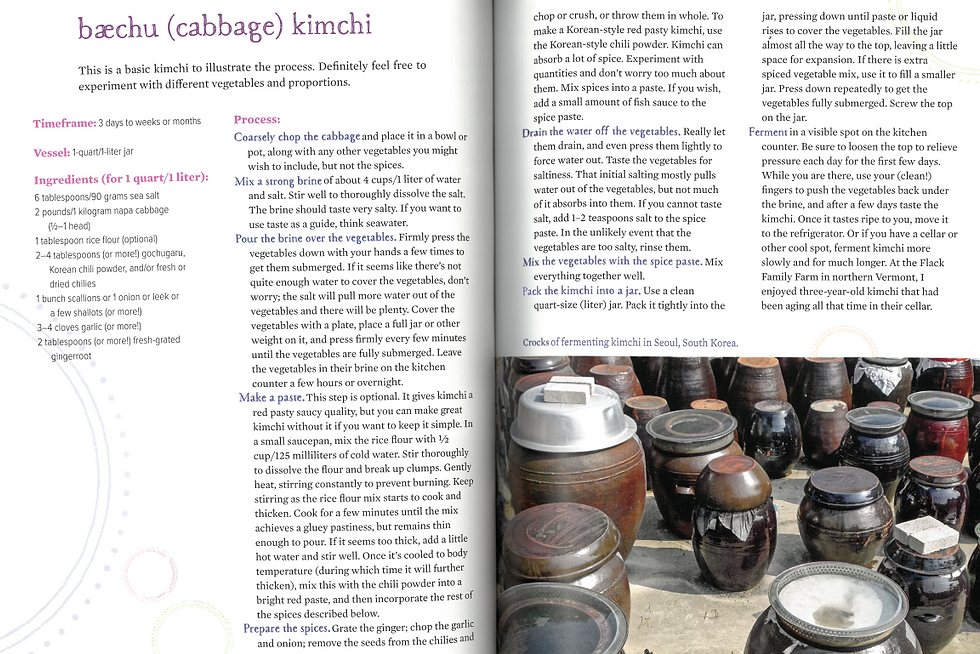

Plan of Work:

Plate Presentation:

Sources:



Reflection & Summary of Results
What Happened(?): UGH!!! Stupid Covid…need I say more? I had to miss ANOTHER lab. Thankfully I get to go back on campus next week. Truthfully, I don’t think I could have stood up long enough to attend class, even if I was allowed to. Once again, I had an amazing classmate share their blog with me. All the photos you see below were taken by other students in the cooking lab while I was out.
Evaluation & Conclusions: The words below are those of my wonderful classmate, Céline Pledger, who was kind enough to share her results with me.
“Lab Outcomes:
For week 6 lab, we worked with Dr. Danderson on making fermented products, like Ginger Beer, Sauerkraut, Dill Pickles, Crème Fraîche, and Kimchi. All of our fermenting jars were left with loose lids and placed in a hotel pan in the corner of the room to allow them to ferment in a cool environment. The pan is in case the jars leak.
Dish Results:
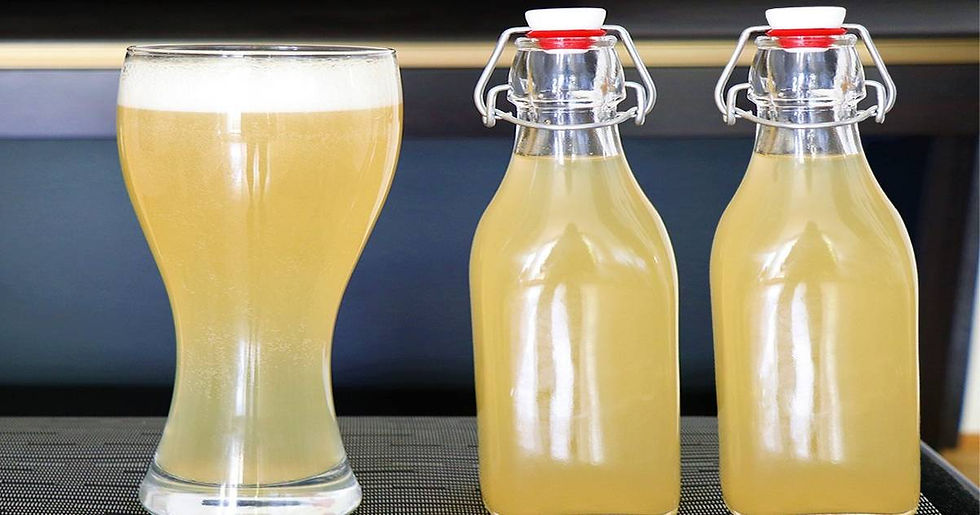
Ginger Beer: This week, Magen worked on making the ginger bug mixture, which will be used next week for ginger beer. The ginger bug mixture was made of peeled, as well as grated ginger. Both mixed with sugar and water- this mix will sit in the room temp lab with a loose lid until next week. Then, the process of making ginger beer will start.
Sauerkraut: AP worked with Dr. Danderson on the sauerkraut- it was super cool! After shredding the cabbage, they massaged it to release water from the vegetable, and then mixed in juniper berries. Lastly, the mixture was pressed down into mason jars.



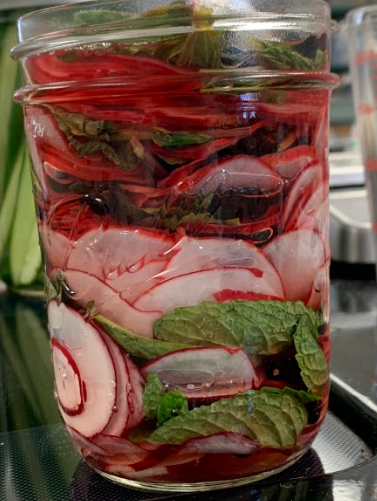
Dill Pickles: For the dill pickles, there were a variety of approaches that could have been used. Will & Sophia made a salty brine, and packed the jar with cucumber spears, dill, peppers from the TA's garden, garlic, and bay leaves. They also did the same process with radishes, mint, and juniper berries (awful smell, but good for fermenting).

Crème Fraîche: for our crème fraîche, we first used heavy cream instead of buttermilk (typically used). The cream was heated to 72 degrees F, and then the mesophilic culture was added to the saucepan of cream. The mix was stirred for 5 minutes, and then jarred with a loose lid. After 15-24 hours, the jar is to be refrigerated.
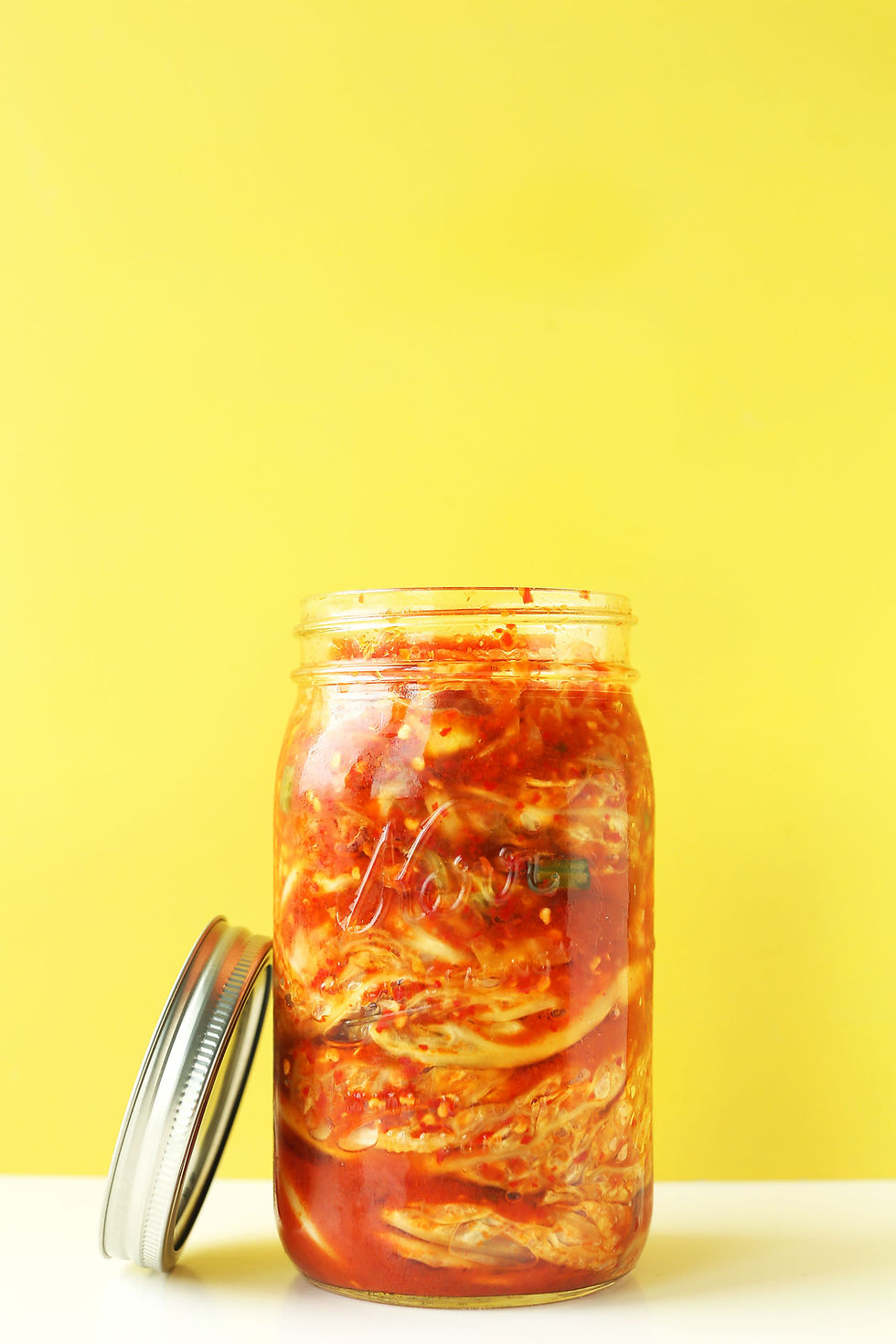
Kimchi: Alena & I cut the cabbage into thicker shreds than the sauerkraut. After cutting the cabbage, we mixed in spices like cumin, ground cayenne pepper, and garlic powder. We made a saltwater brine and poured this over the cabbage in the jar. We placed dried chilis in the bottom and top of the jar to add some flavor. Lastly, we used the outer leaves of the cabbage to press down the top of the jar.” (Pledger, 2021)

References
“Week 6: A fermented blog.” Céline Pledger. https://crp0049.wixsite.com/my-site-1/copy-of-week-5 . 2021


Comments