Week 12: Lamb Curry, Baked Butternut Squash, & Vegetable Biryani
- kelafoy
- Nov 2, 2021
- 6 min read
Updated: Nov 7, 2021
Introduction
Indian cuisine…Oh…My…Goodness!!! I swear my mouth feels like the Hoover Dam right now from holding back the saliva that is threatening to burst forth. My mouth is WATERING! I can already smell the aromas and I’m about 40 miles away from the culinary lab on campus. 😉 Let’s read on to see what we can learn about stewing which is the base of our culinary process this week.
Method of Cookery: “This week we are continuing our combination cooking methods (dry and moist). We will be stewing some lamb meat. Similar to braising, this method is a slow cooking method, however, and unlike braising, stewing entails smaller cuts of meat or vegetables that are fully covered in a cooking liquid. First, the food item is sautéed (conduction), then liquid is added, and the pan is covered and cooked on top of a stove on a gentle simmer (around 180F) or in an oven at low-moderate temperature (250-300 F) (convection). Stewing is a method used to cook tougher cuts of meat and vegetables, it involves long and slow cooking at lower temperatures to break down the connective tissue (collagen in meat) to make the meat (and vegetable) more tender.” (Canvas, 2021)
Prior Knowledge of the Dish: I know bubkis (that means nothing 😊) about the dishes we are creating this week. I like to sauté butternut squash at home, but that’s the extent of my knowledge base. I had the privilege of creating some Indian fare during the culinary bootcamp I participated in over the summer, but neither lamb nor curry were on the menu. I know how to stew meat, but beef stew is about as far as my palate has traveled in that department. The vegetable biryani…well…let’s just say that I hope my southern hand can make it better than my southern drawl can say it.
Learning Objectives:
· Prepare a meat product for cooking using a combination cooking method: stewing
· Properly prepare a rice biriyani dish
Background Information
Origin & History: “As for written records ('cookbooks'), just look in the oldest cookbook known. There are recipes for lamb stews & fish stews in 'Apicius de re Coquinaria', whose identity is uncertain, there having been 3 Romans by that name in the period 1st century BC to 2nd century AD. What is known is that the book has survived, and there are recipes for stews of lamb and fish in it. To go back even further, there is ample evidence from primitive tribes who survived into the 19th and 20th centuries, that they could and did boil foods together (which is what a stew essentially is). Amazonian tribes used the shells of turtles, boiling the entrails of the turtle and various other ingredients. Other cultures used the shells of large mollusks (clams etc.) to boil foods. There is archaeological evidence of these practices going back 7,000 or 8,000 years or more.” (Ehler, 2021)
“Stews have been made since ancient times. The world's oldest known evidence of stew was found in Japan, dating to the Jōmon period. Additionally, Herodotus says that the Scythians (8th to 4th centuries BC) ‘put the flesh into an animal's paunch, mix water with it, and boil it like that over the bone fire. The bones burn very well, and the paunch easily contains all the meat once it has been stripped off. In this way an ox, or any other sacrificial beast, is ingeniously made to boil itself.’” (Wikipedia, 2021)
Methods Used: “A stew is a combination of solid food ingredients that have been cooked in liquid and served in the resultant gravy. Ingredients in a stew can include any combination of vegetables and may include meat, especially tougher meats suitable for slow-cooking, such as beef, poultry, sausages, and seafood. While water can be used as the stew-cooking liquid, stock is also common. A small amount of red wine is sometimes added for flavour. Seasoning and flavourings may also be added. Stews are typically cooked at a relatively low temperature (simmered, not boiled), allowing flavours to mingle. Cocido montañés or Highlander stew, a common Cantabrian dish. Stewing is suitable for the least tender cuts of meat that become tender and juicy with the slow moist heat method. This makes it popular in low-cost cooking. Cuts having a certain amount of marbling and gelatinous connective tissue give moist, juicy stews, while lean meat may easily become dry. Stews are thickened by reduction or with flour, either by coating pieces of meat with flour before searing, or by using a roux or beurre manié, a dough consisting of equal parts of fat and flour. Thickeners like cornstarch, potato starch, or arrowroot may also be used. Stews are similar to soups and in some cases, there may not be a clear distinction between the two. Generally, stews have less liquid than soups, are much thicker and require longer cooking over low heat. While soups are almost always served in a bowl, stews may be thick enough to be served on a plate with the gravy as a sauce over the solid ingredients.” (Wikipedia, 2021)
Dish Variations: “Basically any combination of 2 or more foods simmered in a liquid is a 'stew'. Hungarian Goulash, Coq au Vin, Carbonnades a la Flamande, Beef Stroganoff, Boeuf Bourguignonne, these are all stews.” (Ehler, 2021)
References
“A History of Stew.” James Ehler. http://www.foodreference.com/html/artstew.html. 2021.
“Stew.” Wikipedia. https://en.wikipedia.org/wiki/Stew. 2021.
“Week 12: Week 12 Overview.” Canvas. https://auburn.instructure.com/courses/1381074/pages/week-12-week-12-overview?module_item_id=20251769. 2021.
Dish Production Components
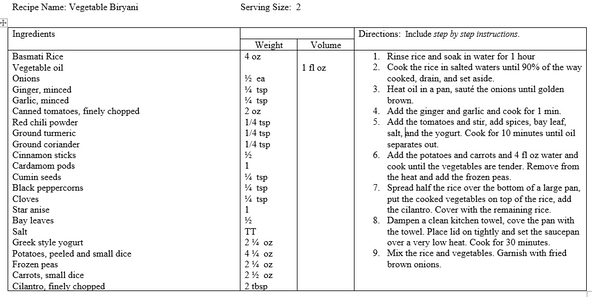
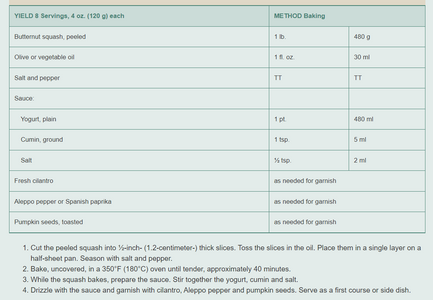
Recipes:





Plan of Work:

Plate Presentation:

Sources:


Reflection & Summary of Results

What Happened(?): I haven’t had the best experience with lamb in the past. It has an almost fishy taste to me. Very much like a bottom feeder fish. I wouldn’t quite describe it as a game taste, although that’s what most would describe. “This is in part because lamb has a strong and distinctive flavor. It's a flavor that comes mainly from its fat—in particular, branched-chain fatty acids (BCFAs) produced by bacteria in the lamb's rumen. The concentration and resulting pungency of these BCFAs depend in part on the breed of lamb, but mainly on the lambs' diet.” (Birnbaum, 2019)
To help rid the meat of this, I thoroughly rinsed the cubed lamb in water multiple times before beginning the cooking process. “Trimming more of the fat from a cut will also reduce its heady flavor.” (Birnbaum, 2019) I was unable to eat the lamb curry or the rice due to the onions, but I set a few pieces of lamb aside before adding them to the sauce to see if the opinion of my palate had changed.



Food Cost:

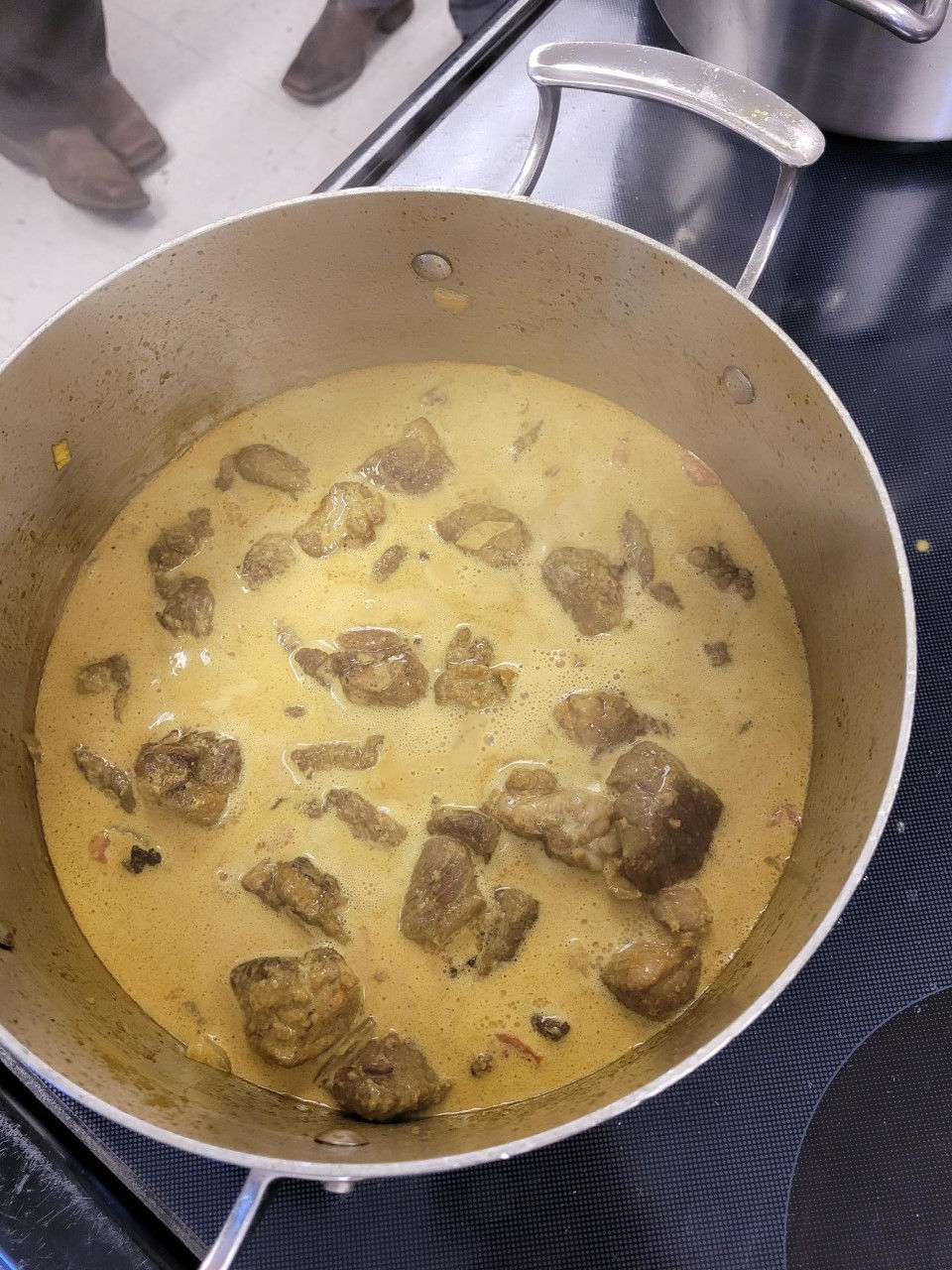
Evaluation: Initially, I had too much oil in the pan when browning the lamb. I was beginning to boil it rather than brown it. I removed the lamb meat, poured some of the oil from the pot, and returned the lamb to my saucepan. It immediately began to sear and had the most pungent curry aroma. It was wonderful! A few of my pieces of meat were smaller than the rest and cooked through completely. These are the pieces I set aside to taste before adding the rest of the lamb to the main dish. I liked the lamb much better than what I have tried in the past. I wonder now if what I have previously tried was rancid. I have only tried it in restaurants. “Many cooks drench lamb in marinades to offset the strong taste of the meat. Those seasonings and jams not only add to the taste but also camouflage any spoilage that may affect its taste. Your taste buds are smart, and they easily detect a taste that isn't right.” (Seal, 2020)
The butternut squash turned out beautifully but was not cooked all the way through. I think the size of the cut had a lot to do with it. Had we cubed it rather than sliced it thick, it would have softened more. We added a little cinnamon to the yogurt sauce to give it a little more depth. It was bland prior to this addition.
We also put our own spin on the rice. The recipe told us to layer the vegetables between 2 layers of rice. We were running out of time and chose to mix it all together. This gave it a wonderful color. Most of the class had the look of plain white rice, and theirs was a little gummy. The texture of ours was perfect.





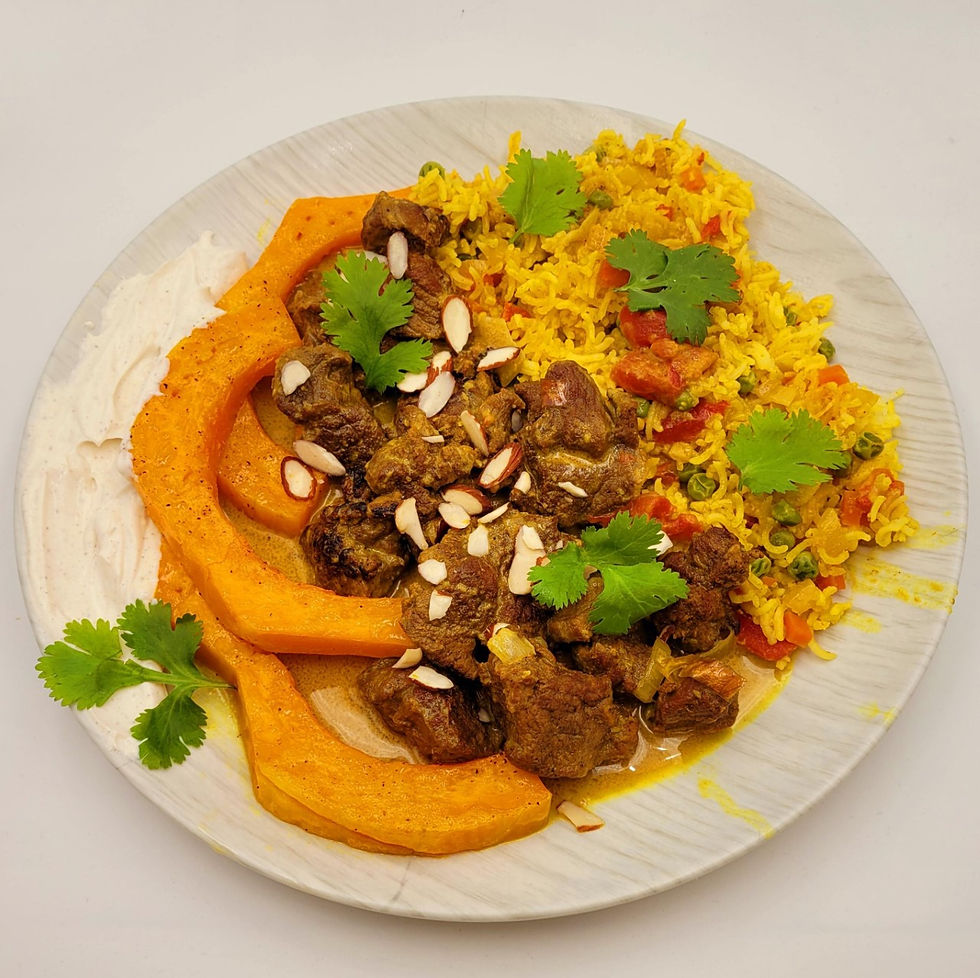
Conclusions: Now that I have had my own experience cooking lamb, it is something I will be more likely to try at home. The pieces I tasted as a stand-alone did not have the game taste described by so many others. I think washing the meat had a lot to do with this. It is not recommended to do this for cross-contamination reasons, but just like with everything else, if done with care and proper cleaning afterward it isn’t an issue. My lab partner said the curry could have used a little more salt, but he likes his food salty like the ocean. 😊 I chose to add fresh, flat-leaf parsley and slivered almonds to the dish for texture and aesthetic appeal.
References
“How to Detect Spoiled Lamb Meat.” Jann Seal. https://www.ehow.com/how_5796765_detect-spoiled-lamb-meat.html. 19 July 2020.
“Why Lamb Tastes Like Lamb.” Molly Birnbaum. https://www.cooksillustrated.com/articles/1630-why-lamb-tastes-like-lamb. 14 March 2019.


Comments